

Understanding the Basics of Tile and Luxury Vinyl Plank
Tile flooring and luxury vinyl plank (LVP) are two popular choices for homeowners seeking durable and aesthetically pleasing surfaces. Tile is predominantly made from materials such as ceramic, porcelain, or natural stone, with each variant showcasing unique characteristics. Manufacturing processes for tiles involve shaping and firing these raw materials at high temperatures, producing a hard, durable product that demonstrates excellent resistance to wear. This makes tiles suitable for high-traffic areas, kitchens, and bathrooms, where moisture may be a concern.
On the other hand, luxury vinyl plank is a synthetic flooring option primarily composed of PVC (polyvinyl chloride). This type of flooring is created through a multi-layer process, which includes a wear layer that protects against scratches and stains, a design layer that mimics the appearance of natural materials, and a backing layer for added cushioning and support. LVP has gained popularity for its realistic wood and stone looks, combined with easy installation methods like click-lock systems. It is often recommended for residential settings where comfort and warmth underfoot are valued.
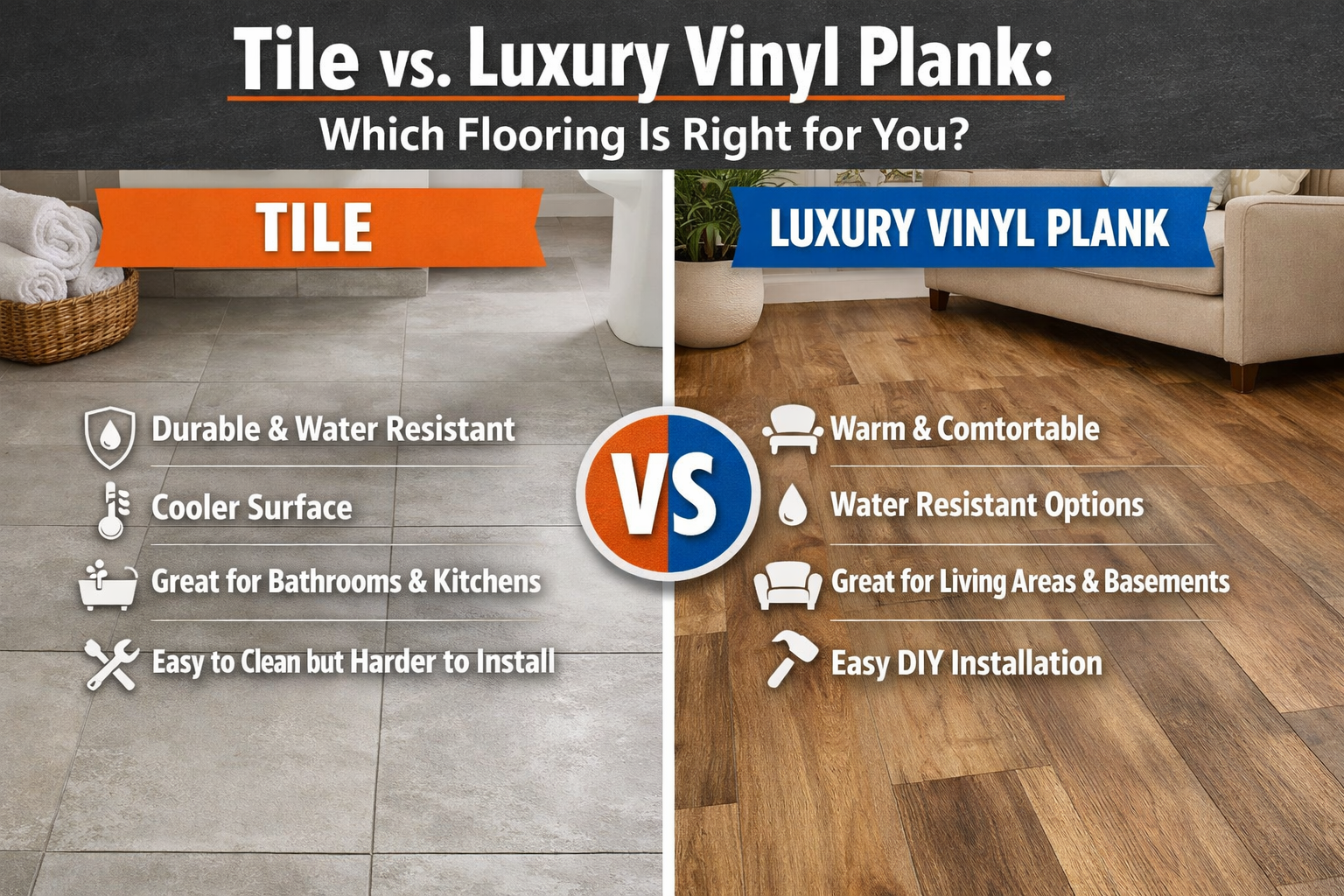
In terms of environmental interactions, tile flooring generally possesses superior moisture resistance due to its non-porous surface, making it ideal for wet spaces. However, its cold nature can be less inviting during cooler temperatures. In contrast, LVP offers better temperature regulation, with warmth and softness contributing to comfort. However, LVP may be susceptible to damage from excessive moisture if improperly maintained. Therefore, choosing between tile and luxury vinyl plank entails considering your specific environmental conditions, aesthetic preferences, and the functional requirements of each space.
Advantages of Tile Flooring
Tile flooring is revered for its durability, making it an excellent investment for homeowners. Unlike many flooring options, tile can withstand significant wear and tear, which makes it ideal for high-traffic areas. One of its most impressive qualities is its resistance to moisture, heat, and stains, positioning it as a suitable choice for environments prone to such conditions.
There are various types of tiles available, including ceramic, porcelain, and natural stone, each offering unique advantages. Ceramic tiles are known for their versatility in design and affordability, making them a popular option for residential spaces. Porcelain tiles are denser and less porous than ceramic, providing enhanced durability and water resistance. Natural stone tiles, such as granite, slate, and marble, offer an unparalleled aesthetic appeal, bringing a touch of elegance and sophistication to any room. However, they may require more maintenance due to natural imperfections.
Tile flooring is especially advantageous in areas such as bathrooms, kitchens, and entryways, where moisture and spills are common. The non-porous surface of tiles allows for easy cleaning, contributing to a hygienic environment. Additionally, tiles can be installed over radiant heating systems, which makes them a practical choice for colder climates.
When selecting tile flooring, it's essential to consider design and size. Larger tiles can make a space feel bigger, while smaller tiles can add intricate designs and textures. Opting for colors that complement your decor can enhance the overall appearance of your home. Whether you're aiming for a modern, contemporary look or a classic style, tile flooring can adapt to various design preferences, demonstrating its aesthetic versatility.
Benefits of Luxury Vinyl Plank Flooring
Luxury Vinyl Plank (LVP) flooring has gained significant popularity in recent years, and for good reason. It combines an appealing aesthetic with outstanding functional benefits, making it an excellent choice for various applications in both residential and light commercial spaces. One of the primary advantages of LVP is its ability to replicate the look of natural materials such as wood and stone. With advanced printing technology, luxury vinyl planks offer authentic textures and patterns, delivering a sophisticated appearance without the associated maintenance challenges.
Installation of LVP is remarkably straightforward, allowing immediate enjoyment of a transformed space. It can be installed over most existing floors using interlocking or glue-down methods, reducing the need for extensive preparation or professional assistance. This convenience appeals to both DIY enthusiasts and those seeking a quick renovation solution. Furthermore, LVP's maintenance is minimal; regular sweeping and occasional mopping with a gentle cleaner can keep floors looking pristine, which is ideal for busy households and commercial environments.
Comfort is another key benefit of luxury vinyl plank flooring. Its composition allows for a softer underfoot feel compared to traditional hardwood and tile options. This quality, combined with its insulation properties, offers a warm and welcoming atmosphere, particularly appealing in living areas and bedrooms. By providing a cushioned surface, LVP enhances the overall comfort for families, seniors, and even pets, making it a widely recommended option.
Durability is yet another significant advantage; LVP resists scratches, stains, and moisture, making it suitable for various settings, including those prone to spills and high traffic. This resilience translates to longevity, ensuring that the investment in LVP pays off through years of reliable service. As such, luxury vinyl plank flooring stands out as an exceptional option, merging style and practicality effectively.
Making the Right Choice for Your Space
Choosing between tile and luxury vinyl plank flooring requires a careful consideration of various factors unique to your specific needs and preferences. Start by evaluating your budget, as this will largely dictate your options. While tile can be more expensive in terms of materials and installation, luxury vinyl plank often provides a cost-effective alternative without sacrificing aesthetics.
Another significant consideration is the climate in your area. Tile flooring is renowned for its durability and resistance to moisture, making it an excellent option for regions with high humidity or those prone to water exposure, such as bathrooms and kitchens. Conversely, luxury vinyl plank offers excellent temperature regulation, providing comfort underfoot in colder climates, making it suitable for living areas and basements.
Your style preferences also play a crucial role in the decision-making process. Tile comes in a vast array of colors, patterns, and textures, and can give your space a classic or modern appeal. Luxury vinyl plank mimics the appearance of hardwood flooring and can blend well with both traditional and contemporary interiors, allowing for greater versatility in design.
Maintenance is another key factor to consider. Tile, while durable, may require regular grout cleaning and sealing. On the other hand, luxury vinyl plank is generally easier to maintain, often requiring only routine sweeping and occasional mopping. Assessing the level of maintenance you are willing to commit to can guide your choice significantly.
For personalized recommendations and professional installation assistance, it’s advisable to consult experts in the field such as MC Flooring and Tile. They can provide insights tailored to your specific space, ensuring that your flooring choice aligns with your lifestyle and aesthetic preferences.