

Understanding the Importance of Tile Selection
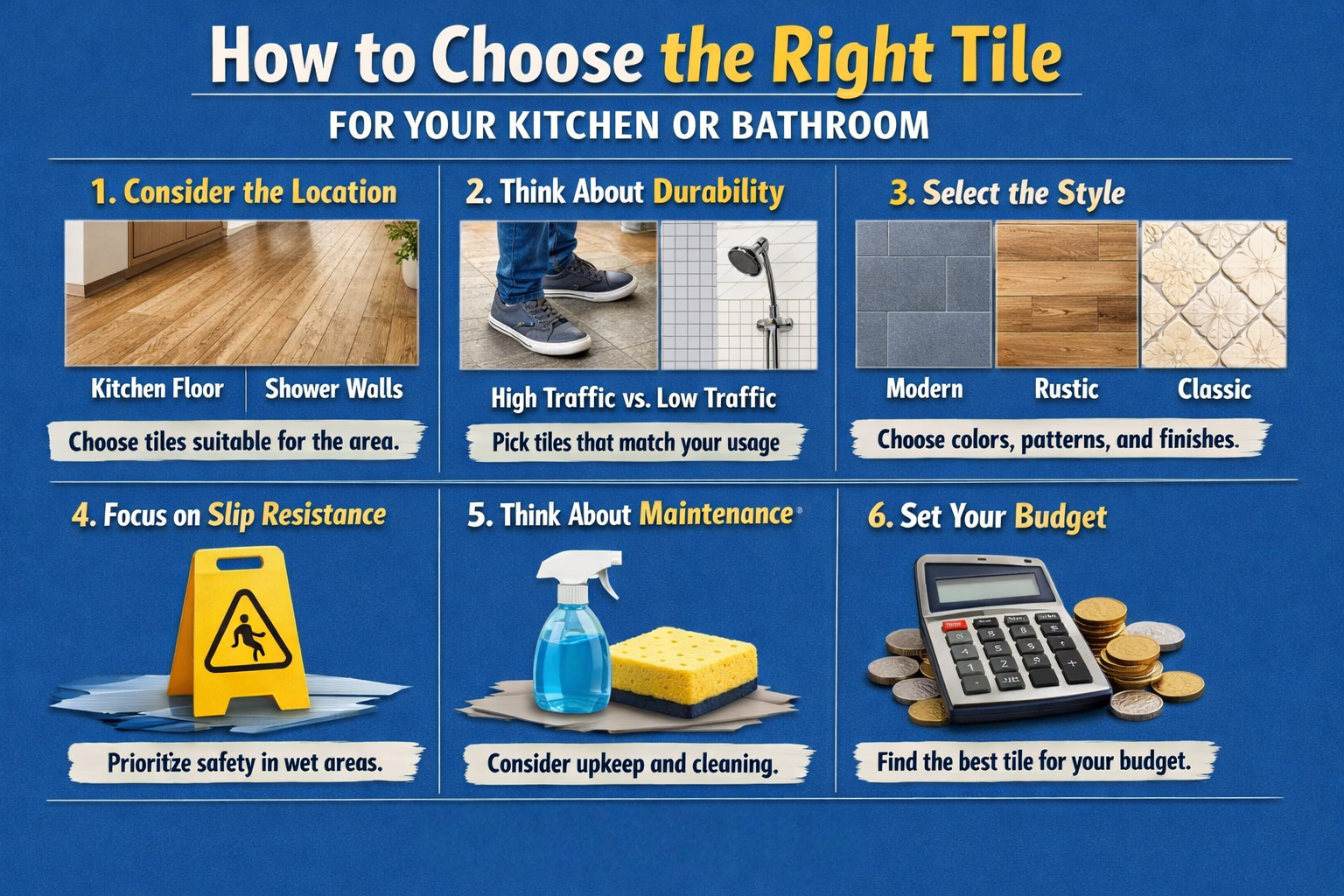
The selection of tiles for your kitchen or bathroom is essential, as these areas are often subject to heavy foot traffic and exposure to moisture. The right tile not only contributes to the aesthetic appeal of your space but also plays a crucial role in functionality. Choosing tiles suitable for high-traffic areas ensures durability, while tiles with moisture-resistant properties help prevent water damage and mold growth.
When evaluating tile options, one must consider their specific characteristics, including durability, slip resistance, and maintenance requirements. For instance, porcelain tiles are well-known for their strength and water resistance, making them a practical choice for bathrooms and kitchens. On the other hand, ceramic tiles offer a variety of designs and finishes, adding to their appeal in these spaces.
Another factor to consider is the safety aspect of tile selection. In areas prone to spills, such as kitchens, it is vital to opt for tiles that provide adequate traction to minimize slip hazards. This becomes even more important in bathrooms, where wet surfaces can easily lead to accidents. Furthermore, incorporating the right grout can enhance slip resistance and ensure easy cleaning, which is a significant advantage in maintaining hygiene in these environments.
Additionally, tile choices can influence the overall design and atmosphere of your kitchen or bathroom. Through the combination of color, texture, and layout, tiles can create a cohesive look that aligns with your design vision. From modern minimalist styles to rustic farmhouse designs, the right tiles can elevate a space, making it not only functional but also visually appealing.
Key Factors to Consider Before Choosing Tile
When selecting tiles for your kitchen or bathroom, there are several key factors that should be considered to ensure that your choice is both practical and aesthetically pleasing. One of the most important considerations is durability. Tiles are subject to wear and tear, especially in high-traffic areas like kitchens and bathrooms. Therefore, selecting a material that can withstand daily use is crucial. Ceramic and porcelain tiles are often recommended for their strength and resistance to common household impacts.
Another essential factor to consider is slip resistance, particularly in environments that may become wet or humid, such as bathrooms or kitchens. Choosing tiles with a textured surface can significantly reduce the risk of slips and falls, promoting safety within your home. It is advisable to check the coefficient of friction (COF) rating of the tile to ensure it meets safety standards.
Maintenance requirements should also influence your decision. Some tile materials require more frequent cleaning and sealing, while others are more forgiving. For instance, natural stone tiles may require regular sealing to maintain their appearance and strength, while glazed ceramic tiles typically need only standard cleaning to keep them looking fresh.
Additionally, the size and format of the tiles can profoundly impact the visual space and overall design of the room. Larger tiles can create a sense of spaciousness, making them ideal for smaller areas, while smaller tiles allow for a more intricate design pattern. Consider the layout and dimensions of your space before making a selection.
In conclusion, selecting the right tile involves careful consideration of durability, slip resistance, maintenance, and size/format. Understanding these factors will help ensure that your tile choice not only enhances the visual appeal of your kitchen or bathroom but also meets practical needs effectively.
Design Trends: Layout and Size Options
In the ever-evolving world of interior design, the choice of tiles for kitchens and bathrooms significantly influences the overall aesthetic and functionality of these spaces. Current design trends emphasize a diverse array of layout and size options, enabling homeowners to seamlessly integrate tiles that complement their individual style preferences while maximizing utility.
Large-format tiles have gained popularity due to their ability to create an expansive, modern feel in both kitchens and bathrooms. Their minimal grout lines not only reduce maintenance but also enhance visual continuity, resulting in a streamlined appearance. This trend aligns well with contemporary design principles, as it fosters a sense of spaciousness and sophistication.
Conversely, smaller tiles are making a resurgence, celebrated for their versatility and detail. They allow for intricate patterns, textures, and designs that can add a distinctive flair to any space. Mosaic tiles, for instance, provide opportunities for creative expression through dynamic arrangements that can highlight specific areas, such as backsplashes or shower walls. The smaller size also supports diverse installation patterns, such as herringbone or stacked layouts, creating visual interest that elevates the overall decor.
Balancing tile size and layout is crucial for achieving a coherent design. Homeowners should consider the dimensions of their kitchen or bathroom when selecting tile to ensure that the space does not feel overwhelmed or underwhelmed. For instance, large tiles may be better suited for expansive areas, whereas smaller tiles might enhance cozy, intimate spaces. Ultimately, the effective combination of tile size, layout, and pattern can transform these functional areas into stylish showcase elements of the home.
Working with Professionals: The Importance of Proper Installation
Choosing tile for your kitchen or bathroom can be a rewarding experience, but the installation process is equally crucial for ensuring longevity and aesthetic appeal. While many homeowners may consider a do-it-yourself approach, the benefits of hiring a professional for tile installation far outweigh any short-term savings. Experienced installers possess the necessary skills and understanding of the materials involved, which is vital for achieving the desired outcome.
One of the primary advantages of professional installation is the assurance of accuracy and precision. Professionals are trained to handle different types of tiles and know the best techniques for cutting, laying out, and sealing them. This expertise not only guarantees that tiles are installed correctly but also reduces the likelihood of costly mistakes, such as uneven surfaces or misaligned tiles. Additionally, experts are well-versed in local building codes and regulations, ensuring compliance and reducing potential liabilities.
Furthermore, working with specialized contractors such as MC Flooring and Tile offers more than just installation services. They provide guidance throughout the selection process, helping homeowners to choose tiles that best fit their design vision and practical needs. With a vast array of styles, colors, and materials available, MC Flooring and Tile can assist clients in making informed decisions that align with both aesthetic preferences and functional demands, such as water resistance in bathrooms or durability in high-traffic kitchen areas.
Investing in professional tile installation is ultimately an investment in the home's value and functionality. With experts managing the installation process, homeowners can have confidence that their selected tiles will not only look great but will also perform well over time. Considering the intricacies involved in tiling, collaborating with professionals can lead to a smoother, more efficient installation experience, complemented by peace of mind.