

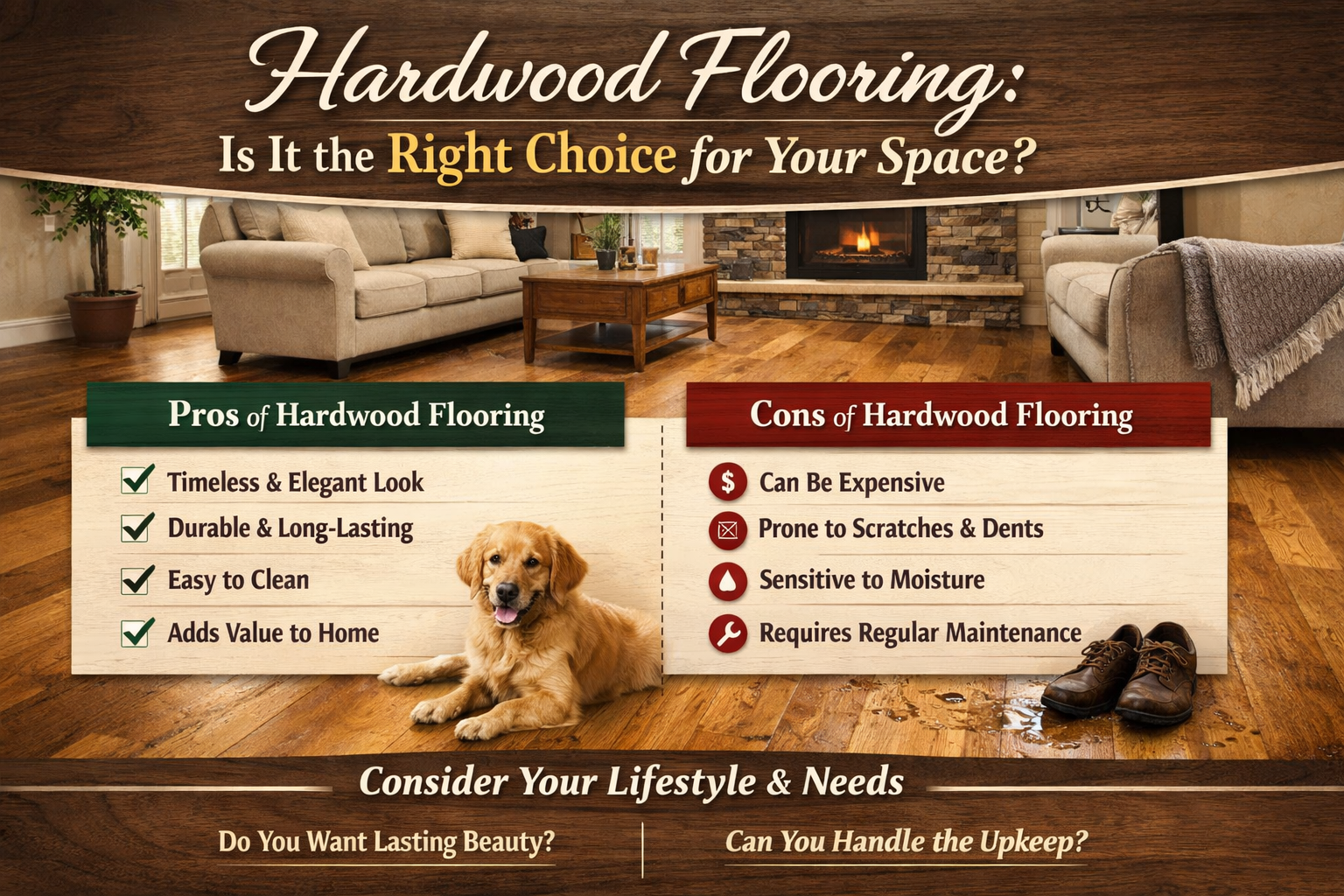
Introduction to Hardwood Flooring
Hardwood flooring has long been regarded as a classic and versatile choice that enhances the aesthetic appeal of residential and commercial spaces alike. This flooring option appeals to homeowners and architects due to its natural beauty, which can complement a variety of design styles ranging from traditional to contemporary. The warmth and richness of hardwood can create an inviting atmosphere in any room, making it a popular selection for many interiors.
In addition to its visual appeal, hardwood flooring is known for its durability. When properly maintained, hardwood floors can withstand significant wear and tear, making them suitable for high-traffic areas. Their resilience against scratches and dents contributes to their long-lasting nature, ensuring that they maintain their initial charm over the years. This durability makes hardwood a sound investment for those looking to improve their space.
Furthermore, hardwood flooring offers long-term value that few other flooring materials can match. The longevity of hardwood means that, while the initial cost may be higher than other options, homeowners can enjoy its benefits for decades. Additionally, hardwood floors can increase the resale value of a property, which is an important consideration in the housing market.
As we delve deeper into hardwood flooring in this blog post, we will examine its suitability for various environments, the installation process, maintenance requirements, and the range of options available in terms of wood species and finishes. Understanding these aspects can aid in making an informed decision about whether hardwood flooring is the right choice for your space.
Ideal Spaces for Hardwood Flooring
Hardwood flooring is often celebrated for its aesthetic appeal and durability, making it an excellent choice for various spaces within a home. One of the most suitable areas for hardwood flooring is the living room. This space typically serves as a gathering point for family and friends, and hardwood creates a warm and inviting atmosphere that can enhance social interactions. Its elegant finish complements various decor styles, from classic to contemporary, allowing homeowners to express their individual tastes.
In addition to the living room, family spaces benefit significantly from hardwood flooring. These areas often witness a lot of foot traffic, and hardwood is resilient enough to withstand the wear and tear of daily activities. Moreover, the ease of maintaining hardwood flooring makes it a practical option for families with pets or young children. The seamless surface can be quickly cleaned, ensuring that the family space remains inviting and hygienic.
Bedrooms are another area where hardwood shines. The natural warmth of wood adds a level of comfort that promotes relaxation and restful sleep. Hardwood can also be paired with area rugs, allowing for additional softness, which can be especially beneficial in colder climates. The variety of stains and finishes available ensures that homeowners can achieve their desired look while enjoying the benefits of hardwood.
Lastly, hardwood flooring performs exceptionally well in low-moisture areas. Unlike carpets or vinyl, hardwood does not harbor allergens, making it a healthier choice for indoor environments. For those who appreciate classical or natural design themes, hardwood flooring not only fulfills practical needs but also enhances the overall aesthetic of the space, solidifying its place as a preferred flooring option.
Considerations When Choosing Hardwood Flooring
When selecting hardwood flooring for your space, several critical factors warrant careful consideration. One of the foremost aspects is the material's moisture sensitivity. Unlike tile or luxury vinyl plank (LVP), hardwood is more susceptible to humidity fluctuations and moisture damage. This characteristic can significantly influence the floor’s performance in certain areas of the home, such as basements or bathrooms, where moisture levels are typically higher. Therefore, understanding the specific climate of your space is essential when contemplating hardwood.
Another major consideration is the preparation of the subfloor. A proper subfloor is crucial for achieving the longevity and stability of hardwood flooring. It must be dry, level, and securely fastened. Any imperfections in the subfloor can lead to issues such as squeaking, uneven wear, or premature failure of the flooring. Hence, addressing the conditions of the subfloor beforehand can help avoid these complications.
Additionally, acclimating the hardwood before installation is necessary to minimize problems related to expansion and contraction after the flooring is laid down. It usually involves allowing the wood to sit in the room where it will be installed for a few days to adjust to the temperature and humidity of that specific environment.
Professional installation is another key element when opting for hardwood flooring. While some homeowners may consider a DIY approach, professional installation ensures that the flooring is laid correctly and meets the manufacturer's specifications. This attention to detail not only enhances the aesthetic of the floor but also contributes to its integrity and durability over time.
By taking these considerations into account, homeowners can confidently choose hardwood flooring that best suits their needs, resulting in a beautiful and resilient addition to their space.
Solid vs. Engineered Hardwood: Making the Right Choice
When considering hardwood flooring, one fundamental decision is whether to choose solid or engineered hardwood. Both options offer unique benefits and are suited for different environments, particularly when addressing areas with moderate moisture and light commercial applications. Understanding these distinctions will guide you in selecting the flooring that best meets your needs.
Solid hardwood flooring is composed of a single piece of wood, typically harvested from hardwood trees. Its thickness can vary, generally ranging from 3/4 inch to 1 inch. This type of flooring is renowned for its durability, allowing for multiple refinishes over its lifespan. Additionally, solid hardwood maintains its integrity in controlled moisture environments, making it a viable option for certain climates. However, it is important to note that solid wood can expand and contract with temperature and humidity changes, which might not make it suitable for all areas, particularly those that are prone to high levels of moisture.
On the other hand, engineered hardwood consists of multiple layers of wood veneers glued together, topped with a hardwood layer. This construction provides enhanced stability and resistance to moisture fluctuations, making engineered hardwood an ideal choice for areas like basements or places with mild humidity. It also serves well in light commercial settings where durability and aesthetics are paramount. With the right finish, engineered hardwood can achieve the same appearance as solid hardwood, catering to both style and functionality.
In summary, the choice between solid and engineered hardwood flooring depends significantly on your environment and usage requirements. While solid hardwood provides long-term value and elegance, engineered hardwood offers versatility and moisture resistance. For quality flooring solutions tailored to your specific needs, consider MC Flooring and Tile as a trusted provider in the industry.