

Understanding Residential Flooring Needs
When it comes to residential flooring, the primary focus revolves around creating a comfortable and aesthetically pleasing environment within the home. Homeowners often prioritize materials that not only complement their interior design but also stand up to the demands of daily family life. Factors such as comfort, maintenance, and long-term value play crucial roles in the decision-making process regarding flooring options.
Among the various types of flooring materials available for residential settings, carpets are a popular choice due to their soft underfoot feel, warmth, and sound-absorbing qualities. They come in a multitude of colors and patterns, allowing homeowners to personalize their spaces extensively. On the other hand, hardwood flooring is esteemed for its durability and timeless beauty, often increasing the value of a property. Available in various wood species and finishes, hardwood flooring can fit seamlessly into both modern and traditional home styles.
Additionally, vinyl flooring has gained popularity due to its versatility, affordability, and ease of installation. Contemporary vinyl options can mimic the appearance of natural materials like wood and stone, making it an excellent choice for those seeking an attractive, low-maintenance flooring solution. It is particularly suited for high-traffic areas where spills and stains are more likely to occur.
The needs of families also dictate flooring choices, as durability and ease of cleaning are essential considerations. Homes with children or pets will require resilient materials that can withstand wear and tear while still looking appealing. Ultimately, the choice of residential flooring should provide a balance of style, comfort, and practicality, catering to the unique lifestyle of each family and enhancing the overall home environment.
Key Characteristics of Light Commercial Flooring
Light commercial flooring is designed to meet the specific demands of environments that experience moderate foot traffic, such as offices, retail spaces, and healthcare facilities. One of the primary characteristics of light commercial flooring is its durability. The flooring must withstand daily wear and tear while maintaining its aesthetic appeal. Materials such as laminate, luxury vinyl tile (LVT), and ceramic or porcelain tiles are often utilized due to their robust qualities suitable for high-traffic areas. These materials are engineered to resist scratches, dents, and stains, making them ideal choices for commercial settings.
Another essential feature of light commercial flooring is ease of maintenance. In environments where cleanliness and hygiene are priorities, flooring solutions that facilitate straightforward cleaning routines are preferred. Luxury vinyl tile, for instance, is not only durable but also easy to maintain, as it requires minimal cleaning agents and can be wiped down effortlessly. Similarly, laminate flooring, with its smooth surface, provides ease of upkeep while ensuring a professional presentation.
Adhering to professional standards is crucial in light commercial flooring projects. Such flooring must comply with various regulations and guidelines set forth for commercial spaces, guaranteeing safety and functionality. Installation plays a significant role in fulfilling these standards, necessitating careful planning and coordination. Projects often operate under tight schedules, demanding efficient time management and communication among all parties involved. Establishing a timeline upfront and coordinating installation around operational hours can help minimize disruption, ensuring that commercial spaces remain functional while new flooring is installed.
Comparative Analysis: Performance Requirements
The performance requirements for residential and light commercial flooring vary significantly due to the differing usage and environmental conditions each category encounters. Understanding these distinctions is crucial for making informed flooring material selections.
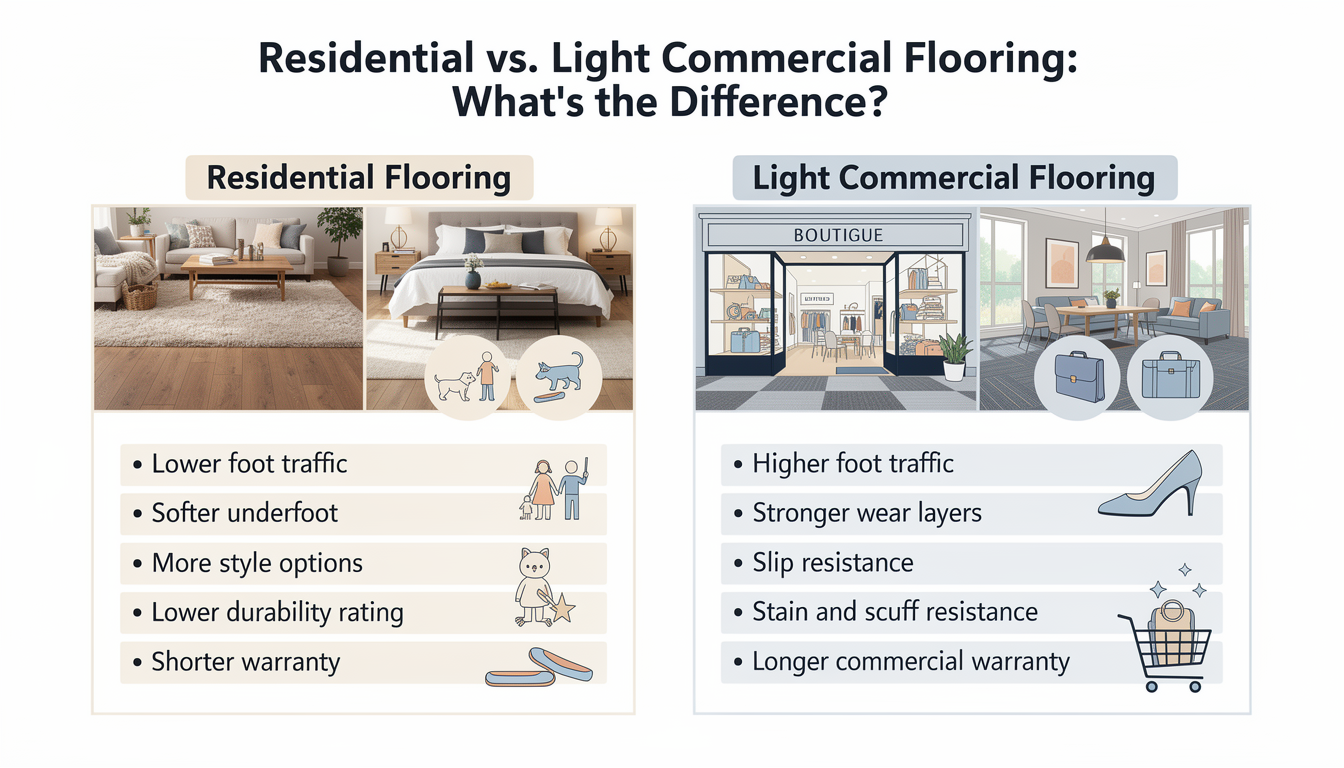
In residential settings, flooring typically experiences less foot traffic compared to light commercial spaces. Residential floors are usually subjected to the activities of family members and occasional guests, resulting in moderate wear and tear. Consequently, flooring materials in homes can afford to be less robust, focusing more on aesthetics, comfort, and warmth. Popular choices include hardwood, laminate, and luxury vinyl, which provide a balanced combination of durability and visual appeal.
Conversely, light commercial spaces, such as offices, retail stores, or cafés, experience higher levels of foot traffic and, therefore, require flooring that exhibits superior durability. Flooring in these environments must withstand the constant movement of both employees and customers, often necessitating materials that can resist scratches, dents, and wear over time. Products such as commercial-grade carpet tiles, resilient vinyl, and polished concrete are preferred due to their enhanced strength and longevity.
Moreover, environmental factors play a more substantial role in light commercial flooring. These spaces may be subject to spills, humidity, or exposure to heavy equipment, enforcing the need for higher performance specifications that safeguard against moisture vulnerabilities. In contrast, residential flooring often prioritizes ease of maintenance and comfort, as extensive cleaning routines are typically not required.
Overall, the intended use of each space is pivotal in determining appropriate flooring choices. Understanding the performance requirements between residential and light commercial flooring ensures that both aesthetics and functionality are aligned with the specific demands of the environment.
Choosing the Right Flooring: Expert Insights and Recommendations
Selecting the appropriate flooring for your space, whether residential or light commercial, involves several factors that should not be overlooked. The decision begins with understanding the specific needs and functions of the area you are flooring. Each space has unique requirements that dictate the most suitable flooring materials.
In residential settings, considerations may include aesthetics, comfort, and durability. Homeowners often prefer materials that provide a warm and inviting atmosphere, such as hardwood, luxury vinyl, or ceramic tiles. Each of these options not only enhances the visual appeal of a home but also offers varying levels of maintenance and longevity.
For light commercial environments, functionality and resilience take precedence. Businesses may favor engineered hardwood, laminate, or commercial-grade vinyl flooring that can withstand higher foot traffic and are easier to maintain. The right choice will enhance the overall aesthetic while ensuring durability and performance under everyday use.
Before making a decision, it is advisable to engage with flooring professionals who can provide valuable insights based on their experience and expertise. At MC Flooring and Tile, our team is equipped with the knowledge to guide clients through the selection process of both residential and light commercial flooring. We offer a range of services, from consultations to installation, ensuring that every project is completed to the highest standards.
A personalized consultation allows us to consider factors such as budget, design preferences, and specific environment-induced wear. By prioritizing professional advice, clients can avoid common pitfalls associated with flooring choices and ensure satisfaction with their investment. Ultimately, the right flooring can transform a space, enhancing both its function and aesthetic appeal, which is invaluable for any homeowner or business.